- When is Directus a better choice than a traditional CMS?
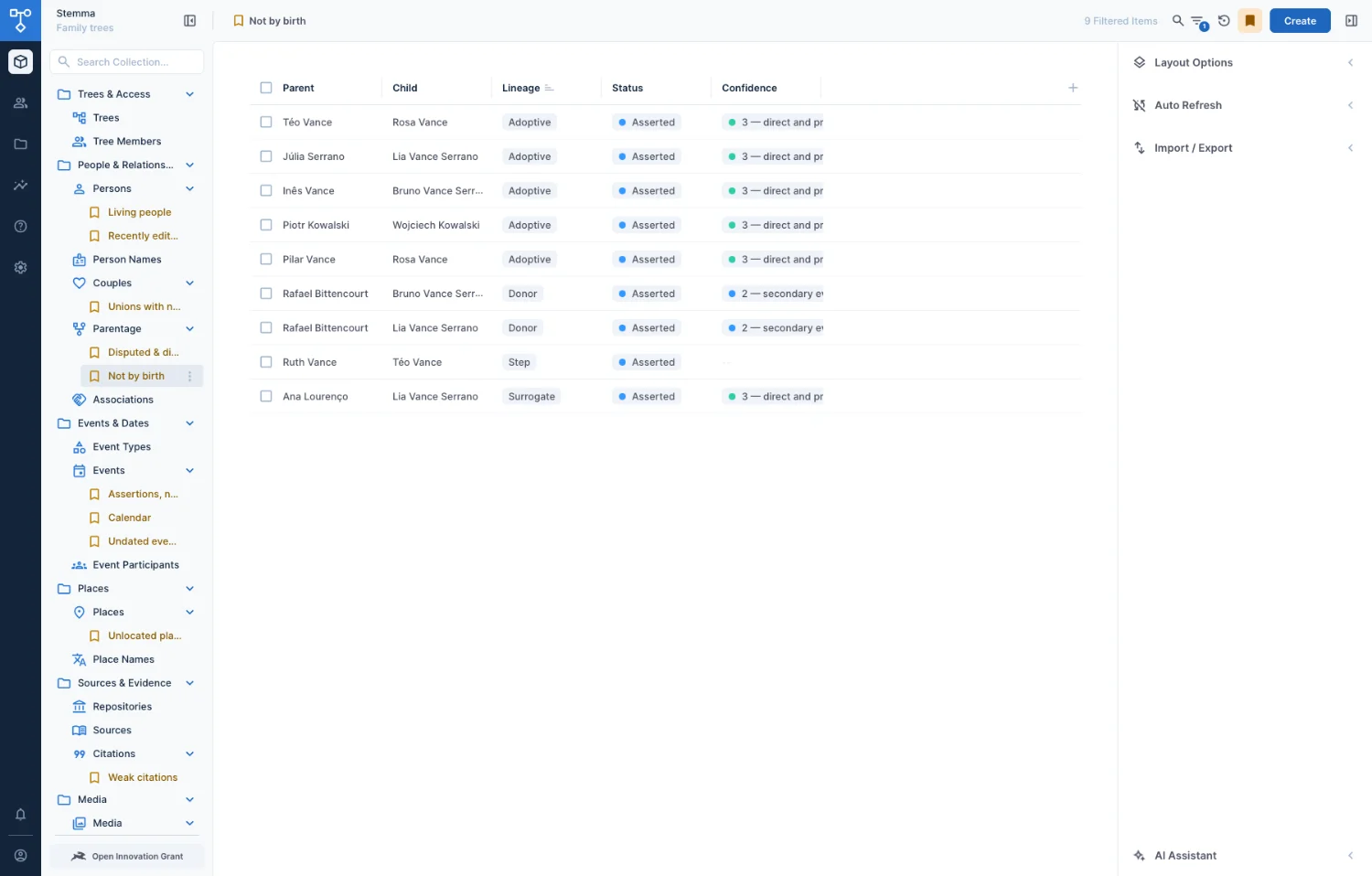
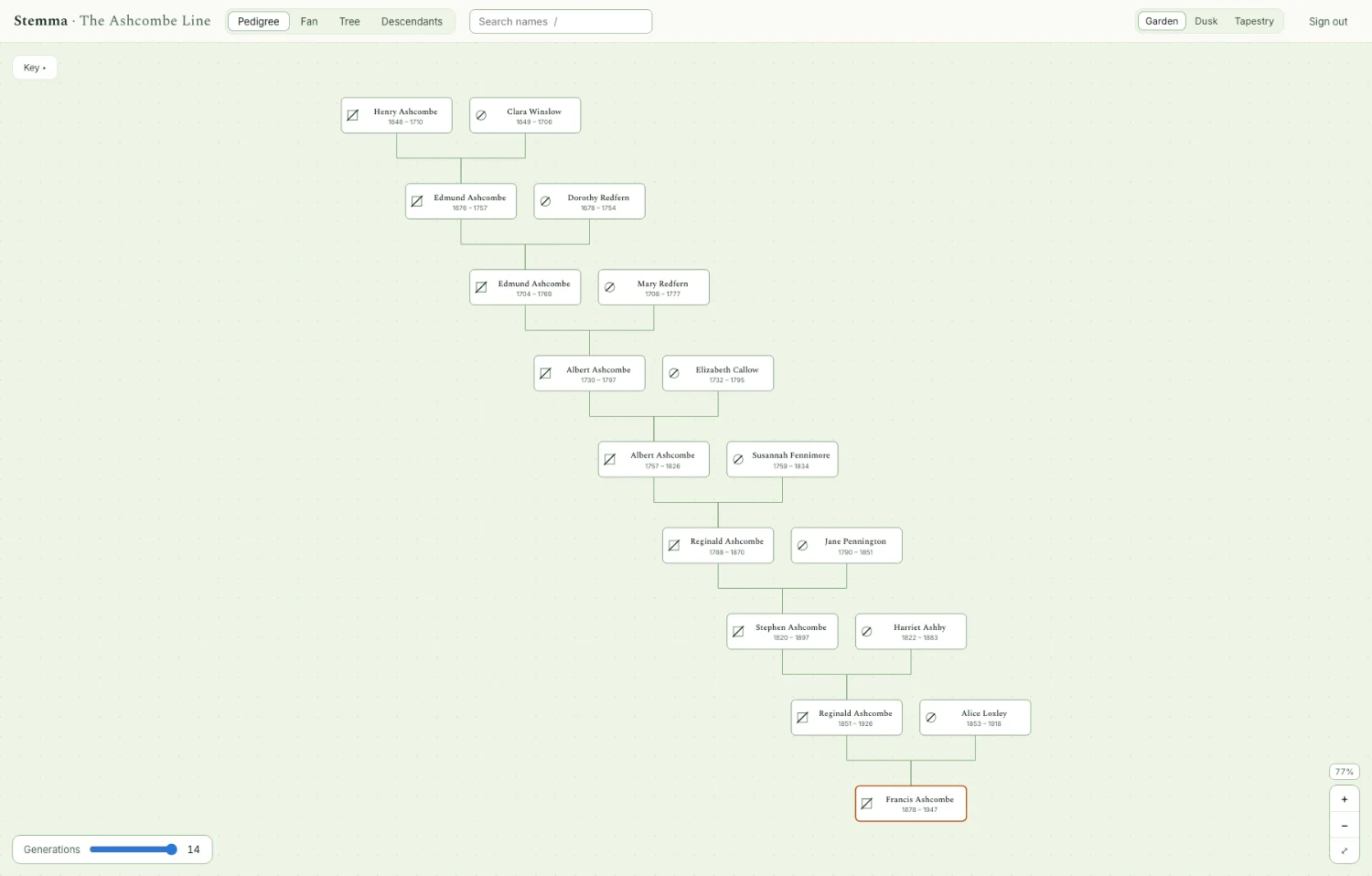
- When your content isn't shaped like blog posts. Directus sits on top of a real SQL database and exposes whatever you model — products with variants, bookings with rules, an archive with its own taxonomy — over REST and GraphQL. Traditional platforms make you bend that into pages and posts, then fight the parts that don't fit. If you already know your data model, Directus lets you build it directly.
- Can Directus handle a multilingual site properly?
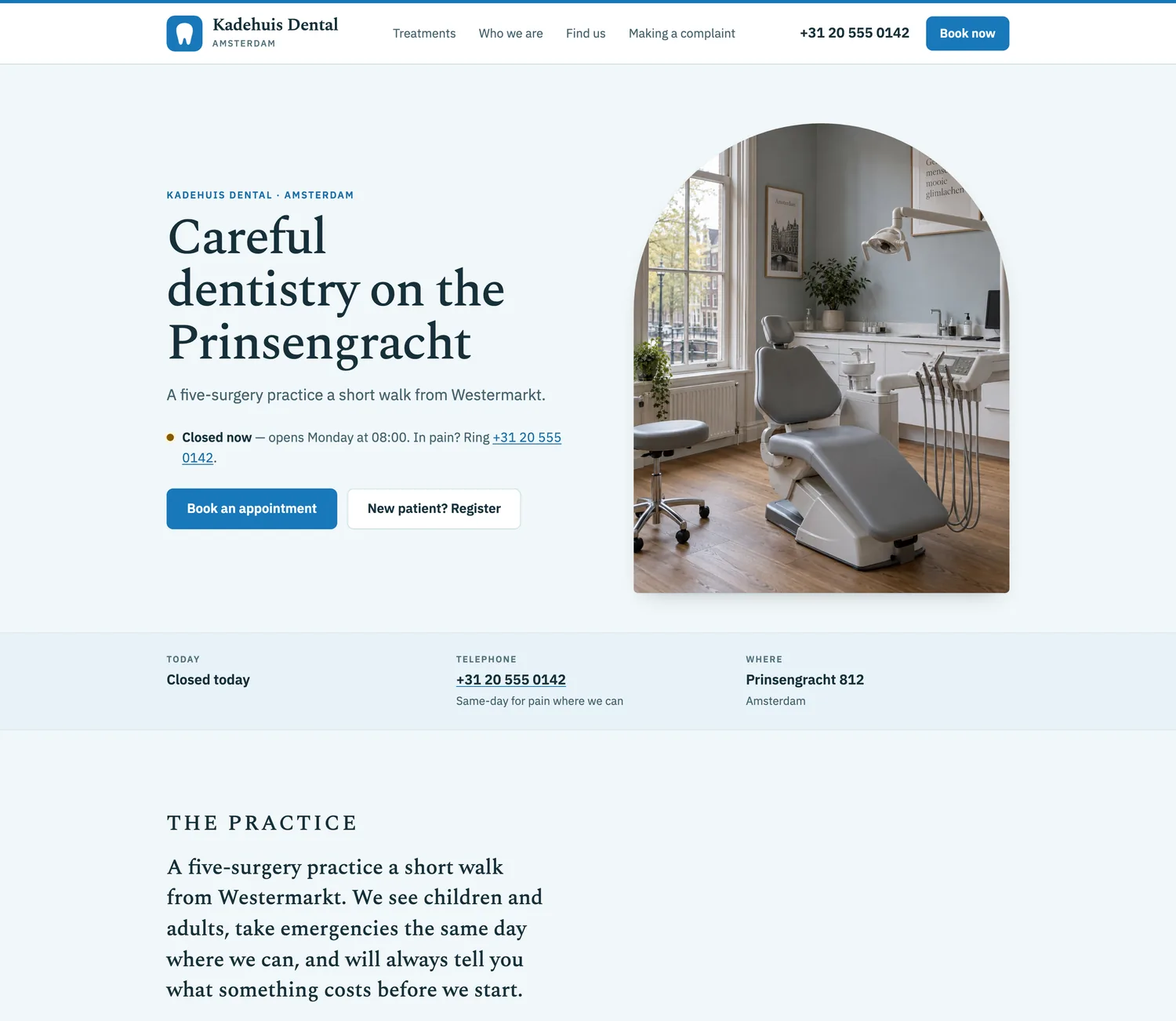
- Yes, and it's one of the better reasons to pick it. Translations are part of the data model rather than a plugin, so a new language is configuration rather than a migration. Media can be linked per translation too, so a Japanese page can serve different imagery from the English one. I've shipped a storefront running seven languages including right-to-left Arabic on this model.
- Is Directus production-ready for e-commerce and business systems?
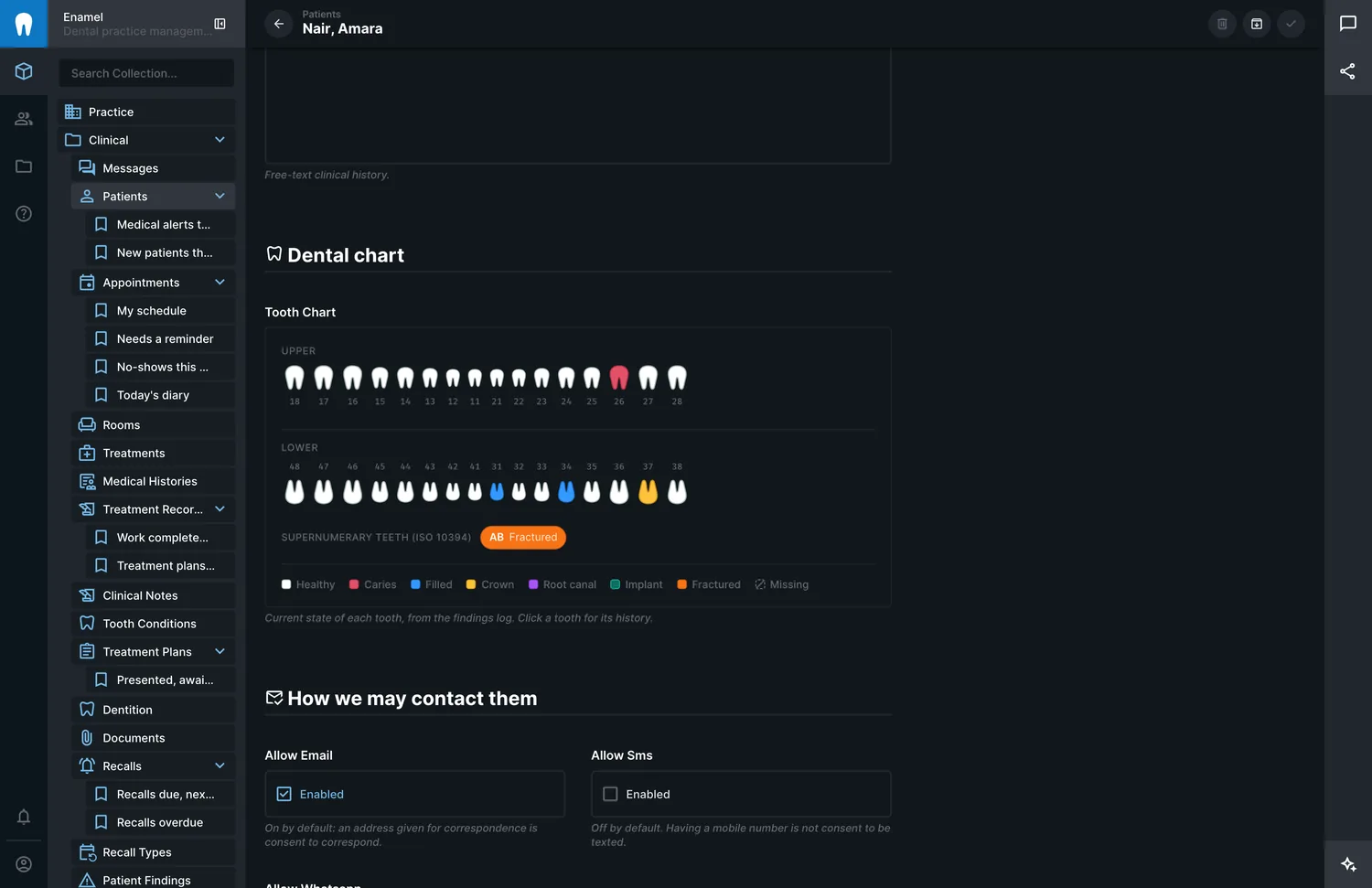
- It is, provided the permissions model is built properly. Directus separates roles from policies and supports field-level read and write rules, which is what lets several teams share one instance safely. The failure mode I see most often isn't Directus — it's four people sharing one admin account because nobody modelled access at the start.
- What happens when I need something Directus doesn't do out of the box?
- You extend it. Custom endpoints, hooks and actions cover backend behaviour; custom interfaces, modules, layouts and displays cover the admin UI. I've published four extensions to the Directus Marketplace and have six pull requests merged into the Directus core itself, so when something needs changing at the framework level I can usually do it rather than work around it.
- Can Directus be self-hosted, or am I locked into their cloud?
- Self-hosting is fully supported and is what I usually recommend when you care about data residency or want to run alongside existing infrastructure. I deploy with Docker and NGINX to any cloud or VPS, and hand over a setup your own team can run. Directus Cloud is a fine option too — the tradeoff is that some extensions, mine included, need a daemon or filesystem access that managed hosting doesn't allow.
- Do you take over existing Directus projects?
- Often, yes. Typical starting points are a schema that's grown past what it was designed for, a permissions model nobody trusts, or a build that works but nobody can deploy. A short call is usually enough to tell whether the fix is small or whether the data model needs rework — and I'll say which it is plainly.
- How do engagements usually work?
- Three shapes, most of the time. A short audit of an existing instance with written findings; a scoped build where I own the backend from data model to deployment; or ongoing work alongside your team. The free fifteen-minute call exists to work out which one you actually need — including telling you when it's none of them.